
Kawasaki Heavy Industries Unveils Prototype of “Home LEO,” a Robot to Support Older People Living at Home — Market Launch Planned for FY2028
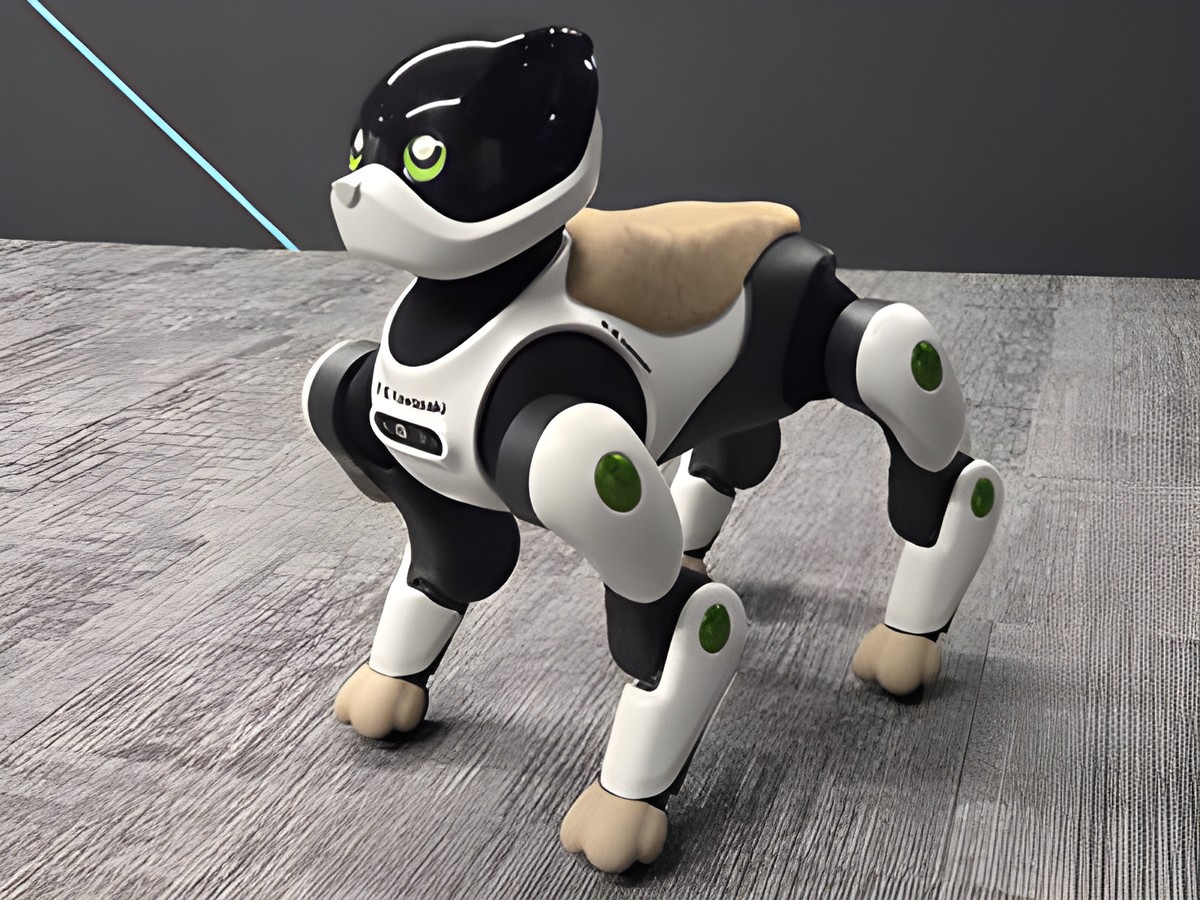
A four-legged robot that supports older people living at home through conversation and monitoring. It is still at the prototype stage, and price and offering format have not been announced.
Key points of this news
- On October 6, 2026, Kawasaki Heavy Industries announced the completion of a prototype of its social robot “Home LEO”[1]
- It is a robot to support older people living at home; listed functions include conversation and monitoring, detecting falls, changes in physical condition and unattended fire, and autonomous movement indoors[1]
- Market launch is planned for FY2028[1]. Price, offering format and weight have not been announced
- It is not yet on sale in Japan (as of October 7, 2026)
On October 6, 2026, Kawasaki Heavy Industries announced that it had completed a prototype of “Home LEO,” a social robot for the healthcare field[1]. Using physical AI (AI that perceives and acts in real-world spaces), it is designed to be a conversation partner in the homes of older people, watch over them and help with daily life. An English-language article distributed by Jiji Press reports that the company showcased it at a business briefing in Tokyo[3].
The four announced functions
Kawasaki’s release organizes the functions into the following four[1].
- Communication: Through daily conversation and monitoring, it learns each person’s habits and preferences and responds in a way tailored to the user
- Safe and secure living support: Detects and responds to risks such as falls, changes in physical condition, unattended fire and visitors
- Autonomous behavior through physical AI: Perceives its surroundings, makes its own decisions, and moves and acts
- A system linking medical care, nursing care and home: Continuously accumulates daily-life data and shares it with medical institutions and care facilities, on the premise of the person’s consent and appropriate information management
Impress Watch also mentions support for moving around the home and finding lost items[2]. English-language coverage reports that there are plans for a function to notify family members or care professionals when it notices something unusual[4]. However, this notification system is not described in detail in the release itself, so the editorial team treats it as a statement from news coverage.
- Name
- Home LEO[1]
- Manufacturer
- Kawasaki Heavy Industries, Ltd. (Japan)[1]
- Stage
- Prototype completed (announced October 6, 2026)[1]
- Form
- Four-legged. The English article distributed by Jiji Press describes it as “dog-shaped”[3]
- Dimensions (prototype)
- Length 640 mm, height 675 mm, width 390 mm (height 830 mm when kneeling upright)[1]
- Weight, sensors, connectivity
- Not announced
- Market launch
- Planned for FY2028[1]
- Price, offering format
- Not announced (unclear whether it will be sold to individuals or to facilities)
- Partners (planned)
- Ministry of Health, Labour and Welfare; Ministry of Economy, Trade and Industry; local governments; medical and nursing-care institutions; AI-related companies[1]
- Availability in Japan
- Not yet released
What the name “LEO” means
According to the release, LEO expresses three ideas, based on the concept of connecting with “Home” (the familiar home one has long lived in)[1].
- L: Linking Life (connecting people and robots)
- E: Empowering You (the power to evolve daily living)
- O: Optimizing (making everyday life smarter)
Japanese-language coverage
This announcement has also been covered in Japanese by Impress Watch and others[2]. This article therefore organizes, in line with the announcement, the points RoboPet Life readers are likely to care about (whether individuals can buy it, and whether there is a price or monthly fee). None of these have been announced so far, and they were not mentioned in the release either[1].
Product: Home LEO

On the Home LEO model page, you can sign up to receive a release notification via LINE.
Sources and primary information
- Primary sourceKawasaki Heavy Industries, “Prototype of Social Robot ‘Home LEO’ for the Healthcare Field Completed” (press release, October 6, 2026)
Kawasaki Heavy Industries press releaseChecked: October 7, 2026 (functions, dimensions, origin of the name, market launch timing, partners; photo source) - News coverageImpress Watch, “Kawasaki Heavy Industries’ ‘Home LEO’ robot can converse and help find things, supporting older people’s daily lives”
Impress Watch articleChecked: October 7, 2026 (supplementary dimensions and functions; no description of shape) - News coverageJiji Press, “Kawasaki Heavy Unveils Dog-Shaped Robot for Elderly” (nippon.com, October 7, 2026)
nippon.com articleChecked: October 7, 2026 (the “dog-shaped” description, business briefing in Tokyo) - News coverageThe Japan Times, “Kawasaki Heavy unveils dog-shaped robot companion for older people” (October 7, 2026)
The Japan Times articleOnly the search result summary was checked (full text could not be accessed). Used only for the description of the notification function for family members and care workers
Update history October 7, 2026: Published